How to Stop Overthinking With Journaling
Overthinking has a way of convincing you that if you just think a little harder, you’ll finally find the right answer. The perfect wording. The best decision. The safest next step. But instead of clarity, you end up feeling mentally exhausted, stuck, and overwhelmed.
If you’ve ever replayed conversations, imagined worst‑case scenarios, or felt frozen because your thoughts won’t quiet down, just remember you are not broken. You are human. And there’s a reason your mind does this.
Why Do We Overthink?
Overthinking isn’t a flaw, it’s often a coping mechanism for when we are worried or anxious. Your brain is trying to protect you, even if it doesn’t feel helpful in the moment.
Your Brain Is Looking for Safety
Your mind wants certainty. When something feels unclear or emotionally charged, your thoughts loop as a way to predict outcomes and avoid pain. Overthinking can feel like control, even when it’s so exhausting.
Fear of Making the Wrong Choice
Decision‑making can feel heavy when you’re afraid of regret. Overthinking becomes a way to delay choosing, because not choosing feels safer than choosing wrong.
Past Experiences & Conditioning
If you’ve been criticized, hurt, or blindsided before, your mind may stay on high alert. It tries to look for clues for hidden messages in verbal tones or body movements as you replay interactions. Overthinking becomes a learned habit, one that might have once helped you cope.
High Sensitivity & Creativity
Many people who overthink are deeply reflective, empathetic, or creative. Your mind naturally goes deeper, but sometimes it just needs support and boundaries.
How Overthinking Shows Up
Overthinking isn’t always loud. Sometimes it’s subtle:
Replaying conversations repeatedly
Writing and rewriting and rereading texts or emails
Imagining every possible outcome
Feeling mentally tired but unable to rest
Feeling "behind" or stuck without knowing why
The goal isn’t to eliminate thoughts entirely, but to stop letting them run the show.

Gentle Ways to Ease Overthinking
You don’t need to force your mind to be quiet. In fact, fighting your thoughts often makes them louder. Instead, try softening the grip.
Name What’s Happening
Simply saying, “I’m overthinking right now” creates space. Awareness interrupts the spiral and allows you to manage your thoughts in a healthier way.
Bring It Back to the Present
Overthinking lives in the past or future. Ask yourself:
What’s true right now?
What’s actually in my control today?
Limit Decision Windows
Give yourself a set amount of time to think, then decide. Endless thinking rarely brings new clarity. Allow yourself to try new things. Listen to your gut feelings. And be gentle with yourself if your decision doesn’t work out.
Move Your Body
A short walk, stretching, or deep breathing can help regulate your nervous system because an overwhelmed mind often starts in the body.
And then there’s one of the most accessible, underrated tools of all…Journaling.
How Journaling Helps Quiet the Mind
Overthinking thrives when thoughts stay trapped in your head. Journaling gives them somewhere to go. When you write, you’re no longer holding your thoughts. Think of it as releasing unwanted thoughts.
You give your thoughts a physical shape through written words. Then leave them there on the paper. You don’t have to revisit what you wrote, but a journal provides a safe space for any and all thoughts.
Journaling Creates Mental Space
Your brain isn’t meant to store every worry at once. Writing externalizes your thoughts, making them feel lighter and more manageable.
It Slows the Spiral
You can’t think at the same speed you write. Journaling naturally slows your thoughts, helping you move from chaos to clarity.
It Helps You See Patterns
When thoughts live only in your mind, they feel endless. On paper, you can see repetition, fears, and triggers more clearly and with more compassion. Journaling helps you understand yourself on a deeper level with zero judgement.
You Don’t Have to Journal “Right”
There is no right or wrong way to journal. It is meant to be a safe space for understanding and clarity. Your journal does not need to be pretty, positive, or coherent. Some of the most healing journaling looks like:
Brain dumps
Half‑sentences
Messy handwriting
Repeated thoughts
Raw emotions
You’re not writing to impress anyone. You’re writing to breathe. Give yourself permission to release all the messy, ugly thoughts. You are allowed to feel what you feel.
Try This Simple Journaling Practice
Set a timer for 5–10 minutes and write without stopping. Don’t edit. Don’t reread. Just let it out.
Start with:
“Right now, my mind feels…”
“I keep thinking about…”
“What I’m afraid of is…”
When the timer ends, close the journal. Or keep writing if you need to! You don’t need answers, just release.
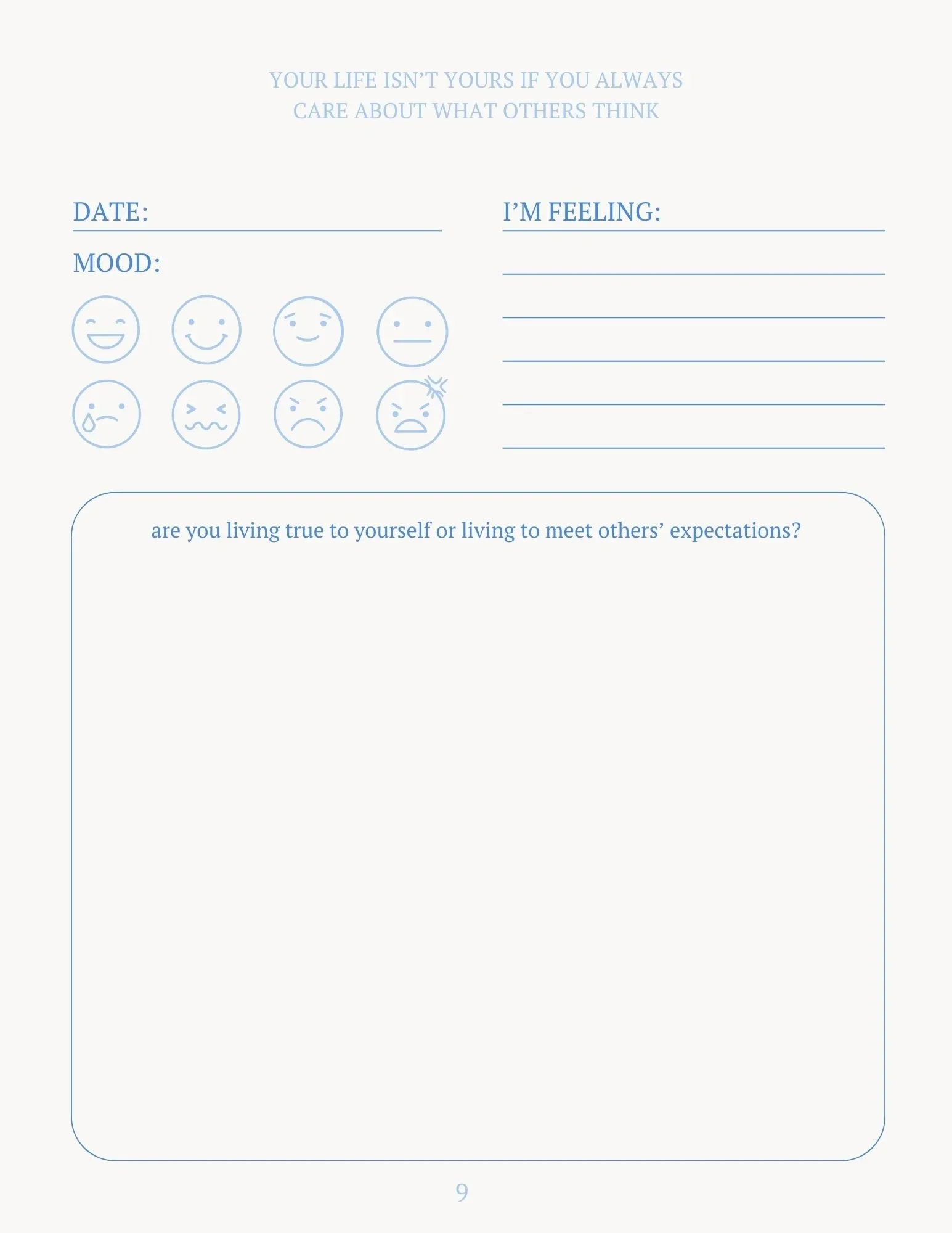
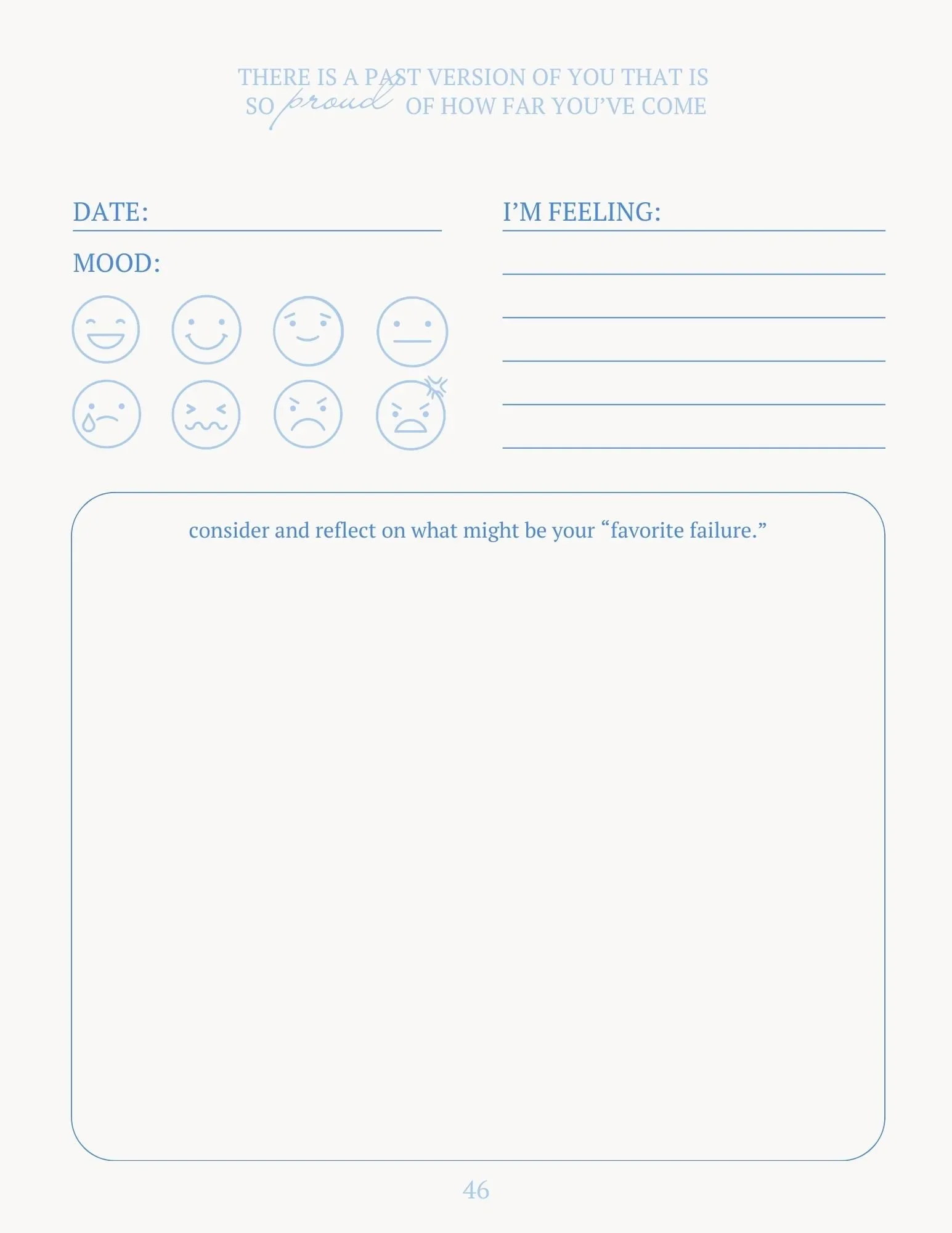
Understand yourself on a deeper level with the Mood & Motivation Journal.
Overthinking Doesn’t Mean You’re Failing
Overthinking doesn’t mean you’re weak. It often means you care deeply, think deeply, and feel deeply.
The goal isn’t to silence your thoughts forever, but to create moments of quiet where you can hear yourself again.
Journaling won’t magically erase overthinking, but it can become a safe place where your thoughts are allowed to exist without overwhelming you.
And sometimes, that’s more than enough.
If your mind has been loud lately, consider this your sign to put it on paper and let yourself rest.
MORE MENTAL HEALTH ARTICLES: